
Vikings, village life, sea voyages or the history of your own country: university history covers a remarkable range of interests. Knowing where researchers gather can give you somewhere new to look.
How history works at university
Undergraduates explore different periods and places, learning to question sources and build arguments from evidence. A master’s usually brings a closer focus and more independent research. A PhD investigates an original question, contributing something new to our understanding of the past.
Alongside teaching, historians often work through research centres and institutes. These bring people together around a shared interest, sometimes across several departments. They organise projects, seminars and, in some cases, public talks.
Here is a flavour of what you can explore across the UK and Ireland.
Find your historical interest
External links open in a new tab.
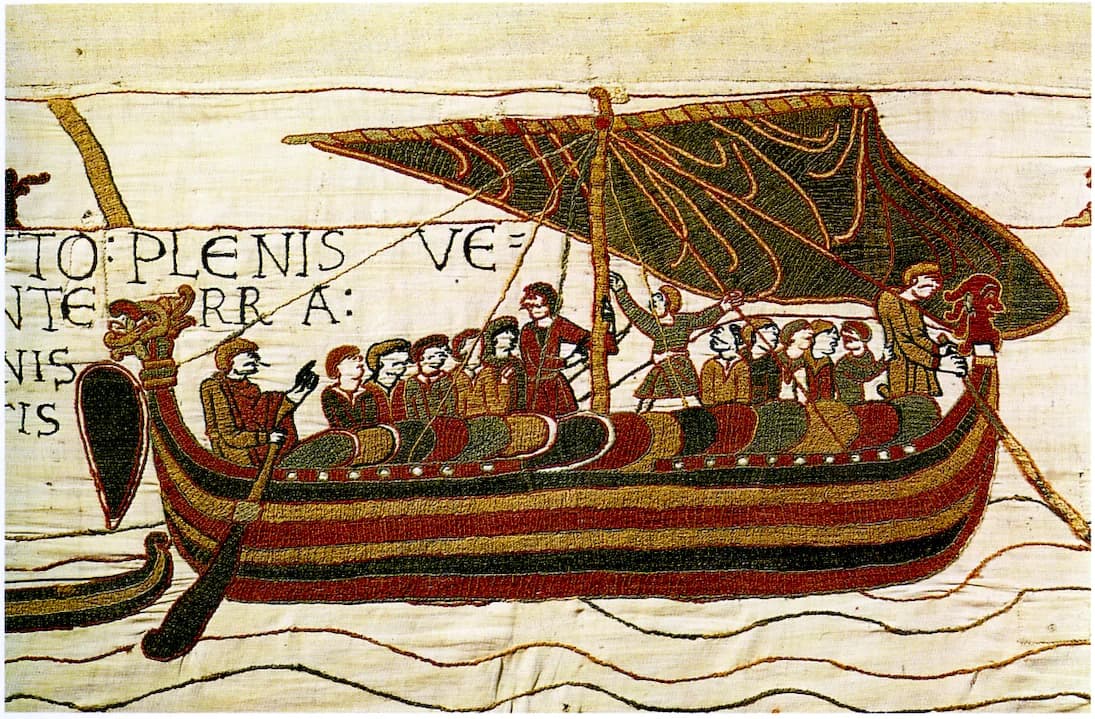
Vikings and the medieval world
Objects, settlements and written sources reveal how people lived, travelled and traded. York brings together researchers studying the Vikings and the wider Middle Ages.
Explore York’s Centre for Medieval Studies ↗Local history and changing landscapes
How did your town grow? What can fields, streets and buildings reveal? Leicester’s researchers investigate the histories of places and communities.
Explore Leicester’s Centre for Regional and Local History ↗Life at sea
Ships carried people, goods and ideas between societies. Exeter’s maritime historians explore trade, naval history and the relationships between people and the sea.
Explore Exeter’s Centre for Maritime Historical Studies ↗Byzantium and the Ottoman world
Explore the connected histories of the eastern Mediterranean, the Balkans and the Middle East through Birmingham’s specialist research centre.
Explore Birmingham’s Centre for Byzantine, Ottoman and Modern Greek Studies ↗Slavery, resistance and abolition
Liverpool’s centre examines slavery and its legacies, working in partnership with the International Slavery Museum.
Explore Liverpool’s Centre for the Study of International Slavery ↗The Holocaust and its aftermath
Royal Holloway’s researchers investigate persecution, genocide, refugees and the ways the Holocaust has been remembered.
Explore Royal Holloway’s Holocaust Research Institute ↗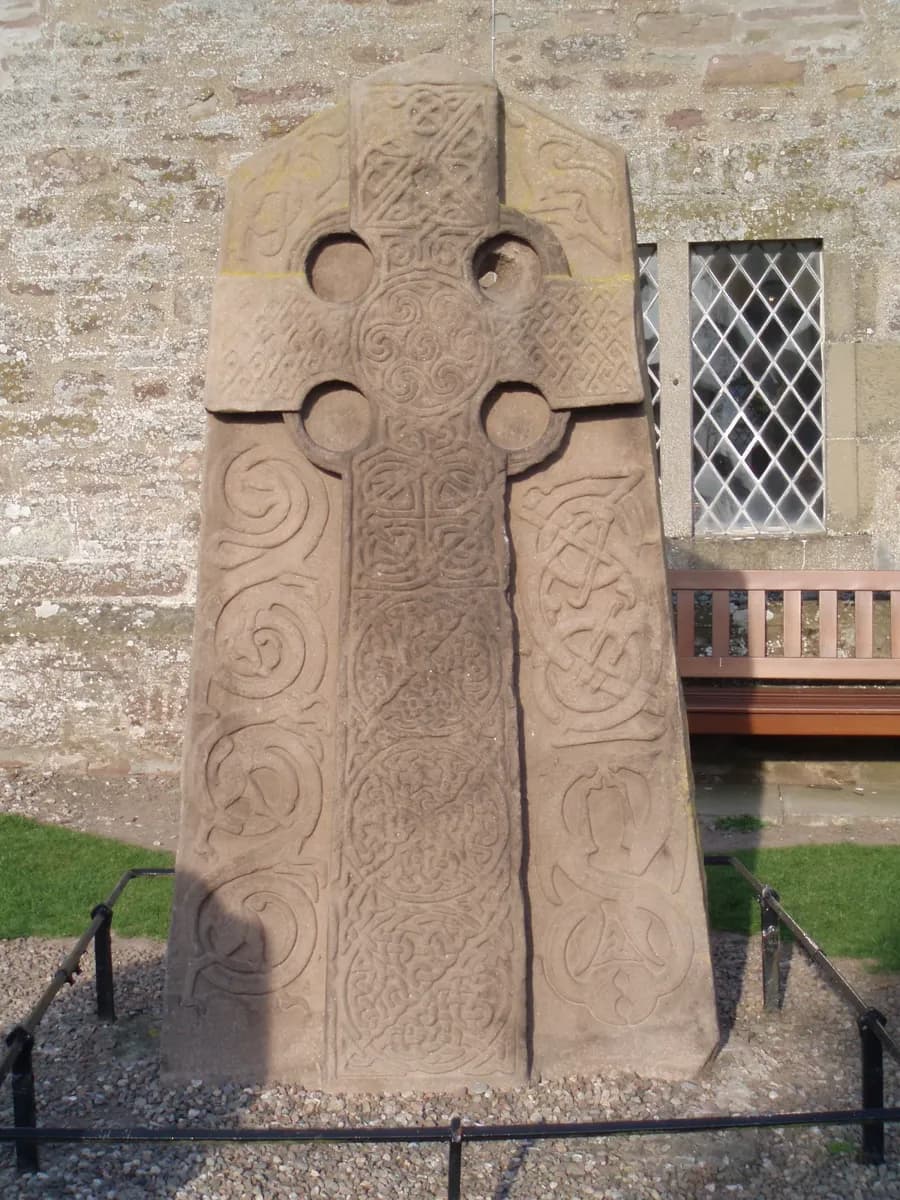
Scottish and Celtic history
History, archaeology and the study of languages come together at Glasgow to explore Scotland and the wider Celtic world.
Carved stones offer one way into that past: material evidence to study alongside written sources and the landscapes around them.
Explore Glasgow’s Centre for Scottish and Celtic Studies ↗Welsh history
From medieval conflict to migration and everyday life, Aberystwyth’s researchers explore Wales across the centuries.
Explore Aberystwyth’s Centre for the Study of the History of Wales ↗Ireland, Ulster and their connections
Queen’s University Belfast brings together interests in Irish history, politics, religion and society, including relationships with Britain and the wider world.
Explore Irish Studies at Queen’s University Belfast ↗Irish revolution and everyday life
Trinity College Dublin’s historians investigate the Irish Revolution, the Troubles, migration, gender and the legacies of empire.
Explore Trinity’s Centre for Modern and Contemporary Irish History ↗These are examples of research interests. Check each centre’s event information for public access and booking arrangements.
Find your next history talk
Explore free university events covering history and archaeology, with opportunities to attend in person or join online.
Take your interest further
Try a free online course and spend a little longer with a subject that interests you.
University of Reading · FutureLearn
Archaeology: From Dig to Lab and Beyond
Follow a discovery from excavation to the laboratory. Explore what pottery, teeth and bones can reveal about past lives. No previous knowledge needed.
Two weeks, about three hours weekly. The free option gives two weeks’ access, without a certificate.
Explore the course ↗The Open University · OpenLearn
Hadrian’s Rome
Explore an emperor’s city through its buildings, monuments and evidence. A chance to look closely at how places tell stories.
Free self-guided course. You can start reading without registering.
Explore the course ↗The Open University · OpenLearn
The history of female protest and suffrage in the UK
Discover the people behind the campaign for women’s votes, including Ada Nield Chew and May Billinghurst.
Free self-guided course.
Explore the course ↗Check the provider’s current access terms before joining. Certificates or extended access may cost extra.
You don’t have to enrol on a course to follow an interest. One talk is a good place to begin.